A beautiful product photograph can make someone stop scrolling. A useful story gives them a reason to keep reading. For a fashion brand, that story begins with a real detail about the product, the person using it, or the problem it was designed to address.
Before drafting a pitch, ask what the reader will learn. “A new collection is available” may be true, but it rarely explains why this audience should care now.
Find the reader’s question
Start with a specific need. How does the garment move? What makes the construction different? How can it be cared for? What does the designer want someone to understand about the choice of material or shape?
Use questions the product can actually answer. Avoid adding a broad social claim merely to make a small product launch sound more significant. A clear practical detail can support a strong story on its own.
Separate the claim from the evidence
Write the main claim in one sentence, then list what supports it. Evidence may include product specifications, a documented process, a named interview, or a demonstration that can be accurately described. Verify the details before sending them.
If the claim depends on testing, customer results, or a comparison, make sure the evidence exists and is presented with its limits. Attractive language cannot replace proof. Do not invent testimonials or imply that an editor has used a product they have not tried.

Build a compact story package
Prepare a short summary, accurate product details, relevant images, proper image credits, availability information, and a contact who can answer questions. Make dates and names easy to find. Keep large files organized through an appropriate sharing method rather than overwhelming the first message.
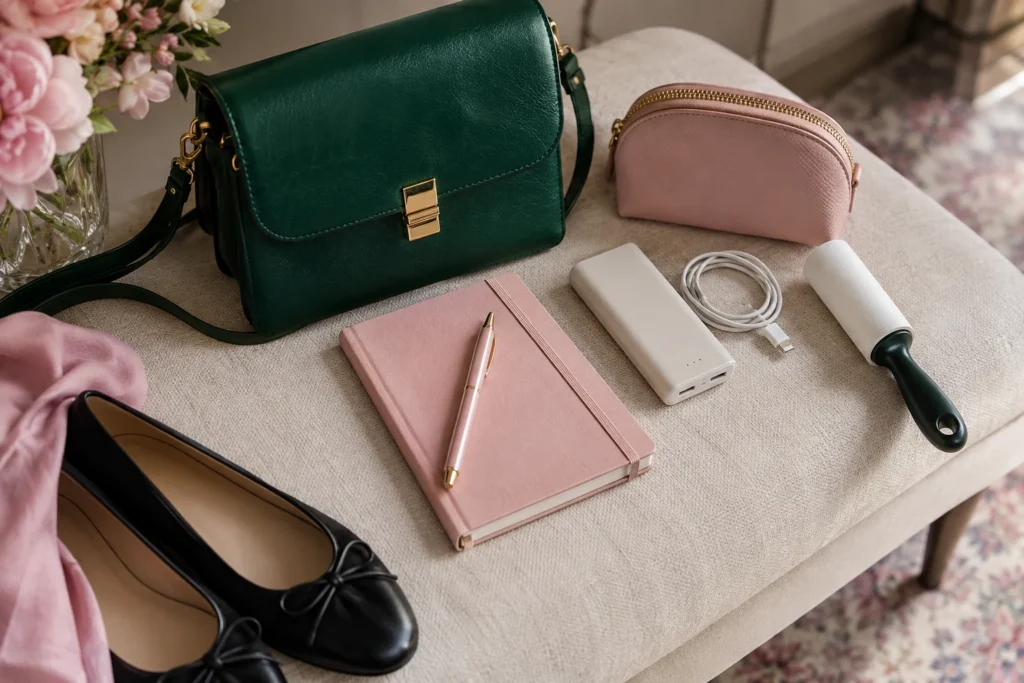
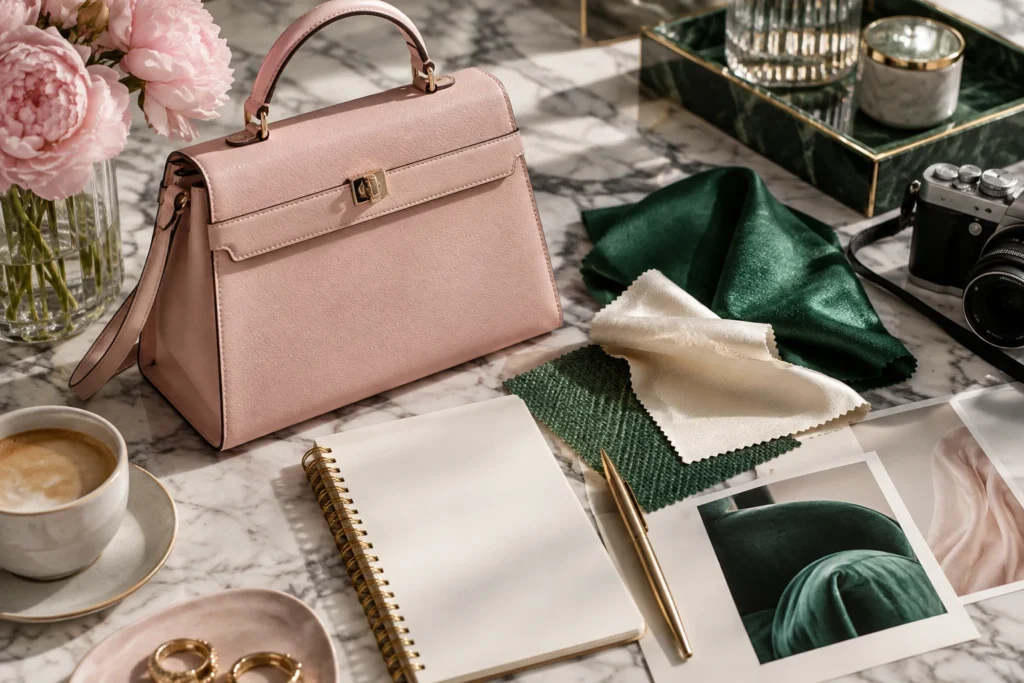
For a visual demonstration, choose images that show the actual feature being discussed. A close view of a fastening or material may be more informative than several similar lifestyle portraits. Label conceptual or AI-created images clearly and keep them distinct from documentary product evidence.
Make the pitch specific to the publication
Read the outlet and identify the section and audience the idea fits. Explain that connection briefly. A pitch for busy readers might emphasize how a piece works across a full day; a design publication may be more interested in the making process.
Keep commercial proposals and editorial pitches clear about their purpose. If you want a paid partnership, say so. If you are offering information for independent coverage, respect the publication’s editorial decision and do not treat coverage as guaranteed.
Use a simple draft structure
State the idea, explain why it matters to that audience, provide the strongest evidence, and offer the relevant person or material for follow-up. End with a clear contact route. Remove any sentence that only repeats how exciting or exceptional the brand believes itself to be.
For help shaping a launch story and preparing the materials around it, visit the Kimberly West Agency. A good fashion story gives the reader something specific to understand, remember, or use.
Keep reading
- Meet the Maker: Better Questions to Ask at a Design Market
- Your Personal Brand in Three Clear Sentences
Have a style question? Ask Kim, or join the conversation on Instagram.