You can have a satisfying art visit in an hour if you choose to look closely at a few works. A short visit does not need to become a race through every gallery.
Use the following plan as a flexible structure. Adjust it for your energy, mobility, companions, and the museum’s layout. Sitting with one work can be a complete visit in itself.
Give yourself five minutes to arrive
Check the map, find the facilities you need, and ask staff about access or temporary changes. Choose one area of the collection rather than trying to see the entire building. Put your phone away briefly unless you need it for an access tool or guide.
Pick a simple question for the visit: What colors draw me in? How do artists suggest movement? What makes a portrait feel present? A question gives your attention somewhere to begin.
Spend fifteen minutes with one work
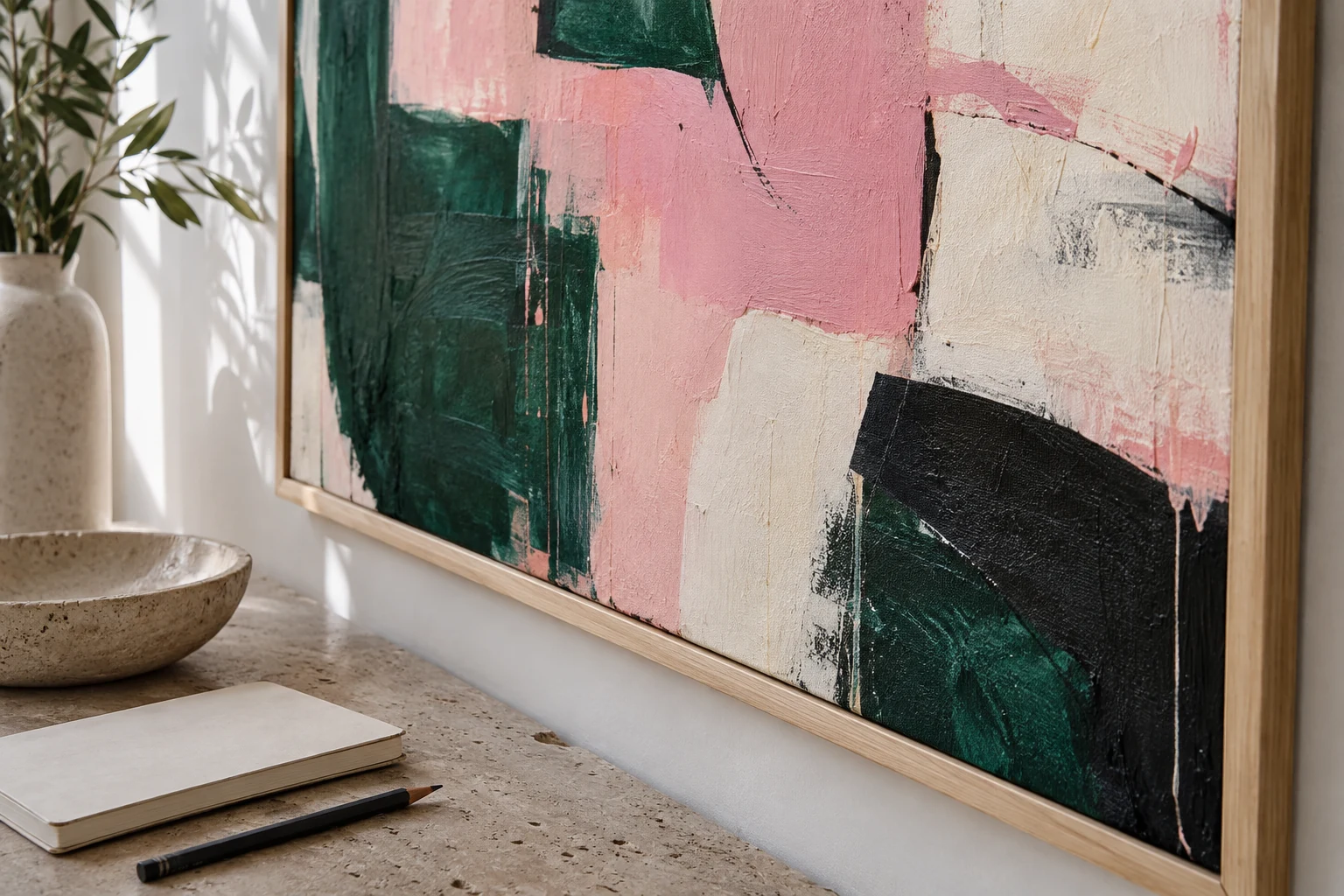
Choose something that stops you. Look before reading the label. Notice the largest shapes, the smallest detail you can find, and where your eye travels. Move closer or farther away only where the gallery permits.
Then read the label and return to the work. What changed once you learned the title, material, date, or context? You do not have to agree with an interpretation to learn from the information.
Use fifteen minutes for a comparison
Find another work that feels different in one clear way. Compare quiet and energetic, light and dark, smooth and rough, or crowded and spacious. Keep the comparison specific enough that you can point to what you mean.
If you are with someone, take turns describing one observation without deciding which work is better. Different responses can make the visit more interesting without requiring either person to become an expert.
Spend fifteen minutes following a question
Return to something that puzzled you or explore a nearby work connected to your theme. Use a museum guide or ask a staff member where to learn more. The Birmingham Museum of Art’s Culture Bridge resources offer examples of object-based learning you can continue at home.
Distinguish what you observe from what you know about the artist or culture. A personal response is valuable, and historical context can add to it. Neither needs to pretend to be the other.
Keep ten minutes for a final look and a note
Return to the work you most want to remember. Where photography is allowed, record the label as well as the image so you can find it later. Follow the museum’s photography rules and avoid obstructing other visitors.
Write one sentence about what held your attention. It may be a color relationship, an unexpected material, or a question that remains open. Leave with that specific memory instead of measuring the visit by how many rooms you completed.
Keep reading
- From Gallery Wall to Wardrobe: Borrow a Color Relationship
- A Creative Birmingham Weekend: Plan Around One Cultural Stop
Have a style question? Ask Kim, or join the conversation on Instagram.