If someone asks what you do, three clear sentences can be more useful than a long list of titles. Explain whom you help, what you help them do, and what makes your approach concrete.
This is a drafting exercise for an introduction, website biography, or profile. It should describe real work and evidence, not create an impressive-sounding identity you then have to defend.
Sentence one: name the work and audience
Use ordinary language. “I help independent fashion businesses explain their products to customers” is easier to understand than a string of abstract marketing terms. Make the audience specific enough that the right person recognizes themselves.
If your work serves several audiences, choose the one relevant to this introduction. You can have different versions for different settings while keeping the underlying facts consistent.
Sentence two: describe what you do
Name the activities or deliverables that make the work visible. That might include campaign planning, product descriptions, media materials, or customer interviews. Use only the services you actually provide.
This sentence should help someone imagine working with you. Replace vague promises with a clear explanation of the process or output. “I turn product information into clear launch materials” gives a reader something more concrete to assess.

Sentence three: add evidence or a useful distinction
Use a verifiable detail about experience, approach, or the kind of problem you handle. Avoid unsupported superlatives and outcomes you cannot substantiate. If you do not yet have a strong proof point, describe your focus honestly.
Here is a fictional example to show the structure: “I help independent clothing labels explain what makes their collections useful. I develop clear product stories, launch materials, and visual briefs. My focus is on practical details customers can recognize, such as fit, care, and how a piece can be worn.”
Read it aloud
If you would never say a phrase in conversation, rewrite it. Remove words that make the sentence sound larger without making the meaning clearer. Keep the introduction short enough that someone can ask a follow-up question.
Ask a trusted reader what they think you do after hearing it once. If their answer differs from your intended meaning, revise the wording rather than explaining why they misunderstood.
Connect the words and the images
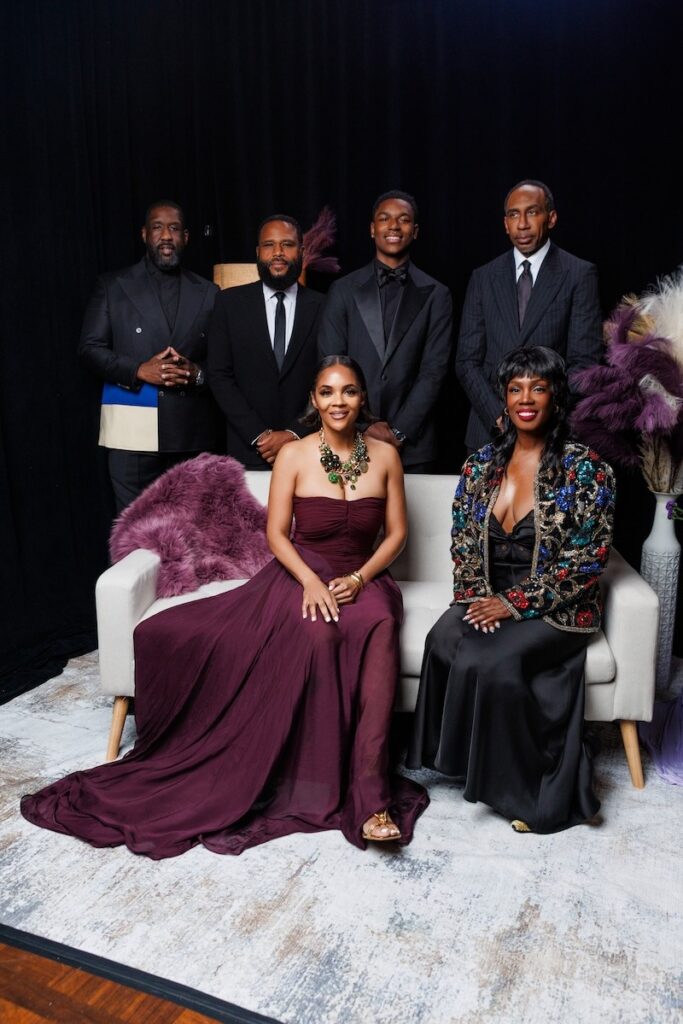
Your photographs, clothing, and website should support the same story. A clear portrait helps someone recognize you; an accurate working image can show what the service looks like. Avoid visual details that imply experience or affiliations you do not have.
Keep the introduction current as your work changes. For help developing a broader brand and communications story, explore the Kimberly West Agency. A concise introduction is a useful beginning when it gives people a truthful reason to keep the conversation going.
Keep reading
- Behind the Scenes: Write a Better Personal Brand Photo Brief
- From a Pretty Product to a Useful Fashion Story
Have a style question? Ask Kim, or join the conversation on Instagram.