A closet can be full and still leave you feeling short of options. The missing item is not always another dress or jacket. It may be the simple piece that would connect several things you already own.
Before shopping, run a wardrobe gap test. The aim is to identify a specific job that needs doing, so a new purchase has a clear role from the start.
Start with three unfinished outfits
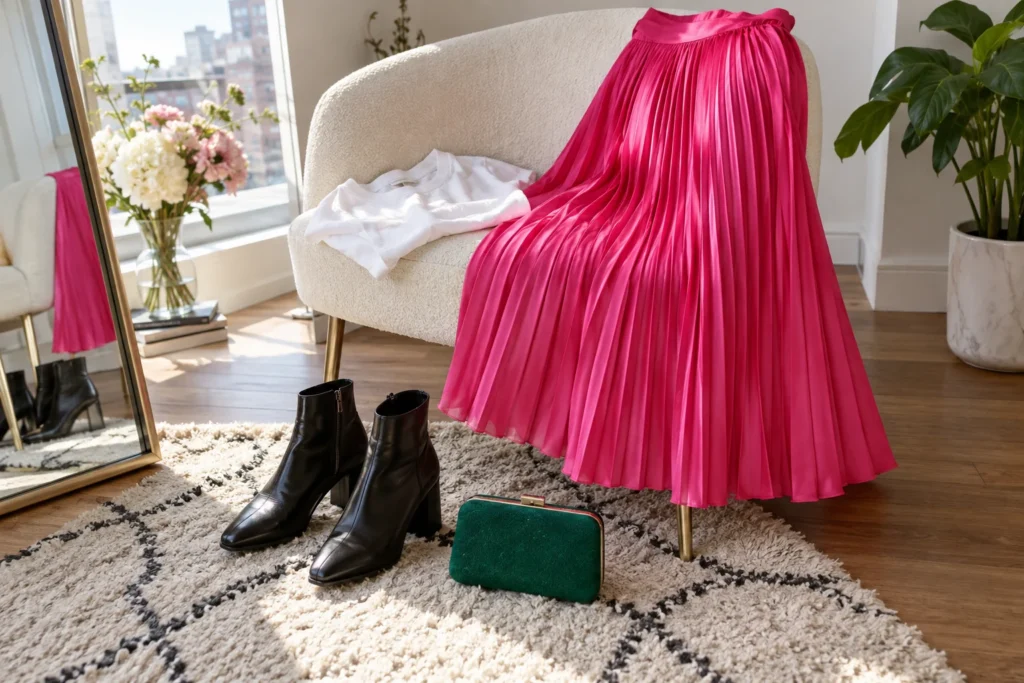
Choose three items you want to wear but regularly put back. Build the closest workable outfit for each using what is already in your closet. Include shoes, a bag, and any required layer.
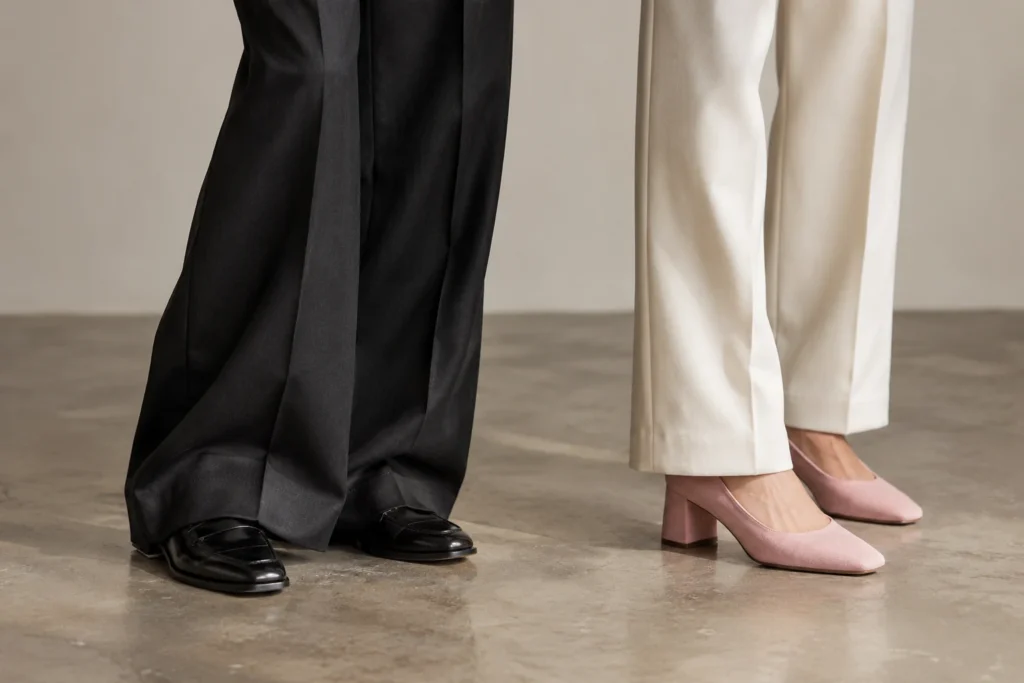
Write down the exact obstacle. “Nothing works” is too broad. “I need a top that fits under this jacket without bunching” is useful. So is “these trousers only clear the floor with heels I no longer wear.” The second problem may need a tailor rather than a shopping trip.
Look for a repeated need
If two or three outfits are waiting for the same kind of piece, you may have found a genuine gap. An ivory top, a comfortable polished shoe, or a jacket in the right length could unlock several combinations.
If each outfit requires a different new item, pause. The unused pieces may reflect a lifestyle you are no longer dressing for. You do not need to build three new wardrobes around three purchases that never worked well.
Write a functional description
Describe the needed item without a brand name. Include color, length, fit, comfort, care requirements, and the occasions it must handle. For example: an opaque ivory top with a neckline that works under two jackets and sleeves that do not bunch.
Take photos of the outfits it needs to join. When shopping, compare candidates against that short brief. A beautiful item that fails the brief can remain beautiful in the store.
Separate repairs from purchases
Make a second list for repairs, cleaning, alterations, and missing small parts. A replaced button or shortened hem may return a useful piece to service. Check these possibilities before concluding that the whole garment has failed.
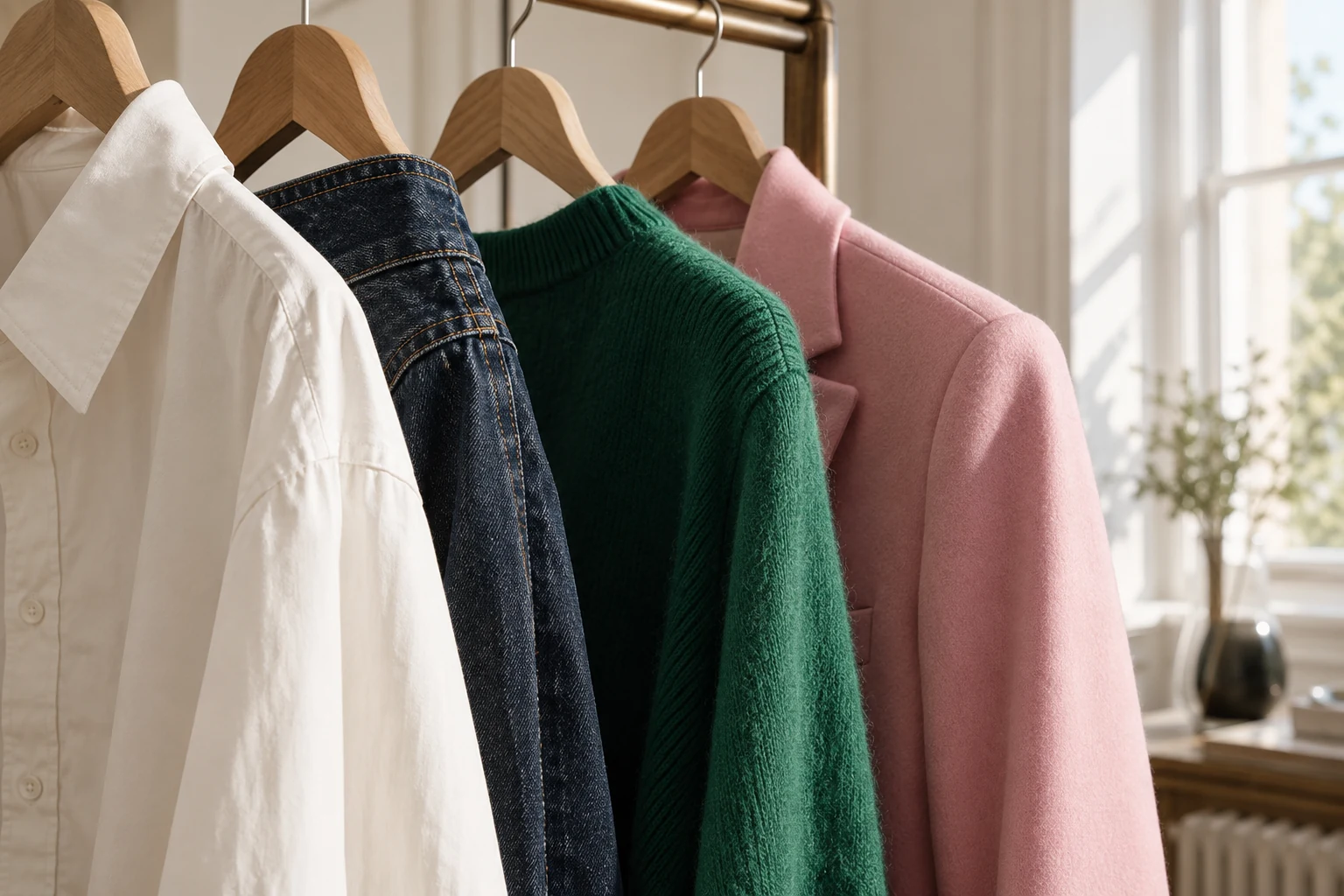
Also consider storage. If you forgot you owned a suitable top because it was buried behind other clothes, visibility was the problem. Move your most useful pieces where you can find them easily.
Test the purchase at home
Within the retailer’s return conditions, try the new piece with the actual outfits you planned. Move, sit, and check it in daylight. Keep the packaging and labels intact while deciding, where required for returns.
Ask whether it solves the original problem comfortably. If it creates another need, such as different shoes or a special layer, account for that before keeping it.
The wardrobe gap test is most useful when it produces a short list. One well-chosen connector can offer more daily value than several exciting pieces without a place to go.
Keep reading
- Build a Wardrobe Color Palette from What You Actually Wear
- Ask Kim: Is This Statement Piece Worth a Place in My Wardrobe?
Have a style question? Ask Kim, or join the conversation on Instagram.