Watching a fashion show can be a way to train your eye, even if you have no intention of buying runway clothes. Look for relationships you can translate: length, volume, color, layering, and the way an accessory changes a silhouette.
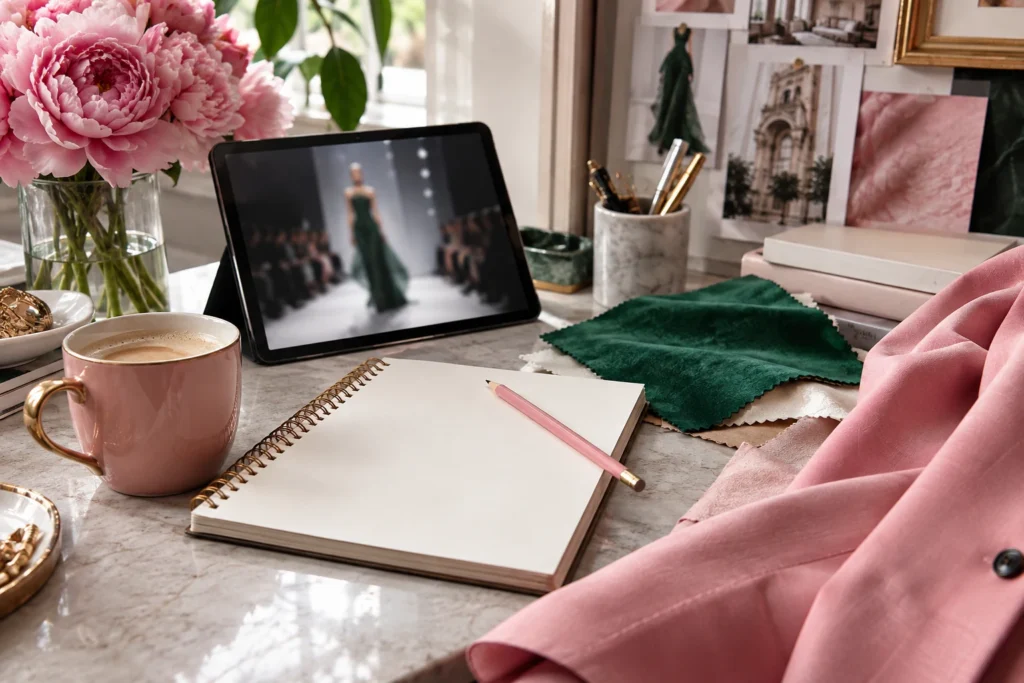
Use a recording shared by the designer, event organizer, or another authorized source. Keep the collection name and season with your notes so you can distinguish the show from later commentary about it.
Watch once without pausing
Notice the overall mood. Is the collection sharp, soft, restrained, playful, or deliberately exaggerated? Write down three words after the first viewing. Do not worry about naming every material or technique.
Pay attention to what repeats. A color, shape, neckline, or shoe may appear across several looks. Repetition can tell you more about the collection’s direction than a single striking outfit.
Choose three looks to study
On a second viewing, select one look you would wear, one that puzzles you, and one that feels far outside your comfort zone. For each, note the main shape, color relationship, and focal point.
Separate observation from interpretation. You can observe that a jacket is short and wide; deciding that it feels playful is your response. If the designer has published collection notes, use them for the stated inspiration rather than inventing a story.
Translate one element
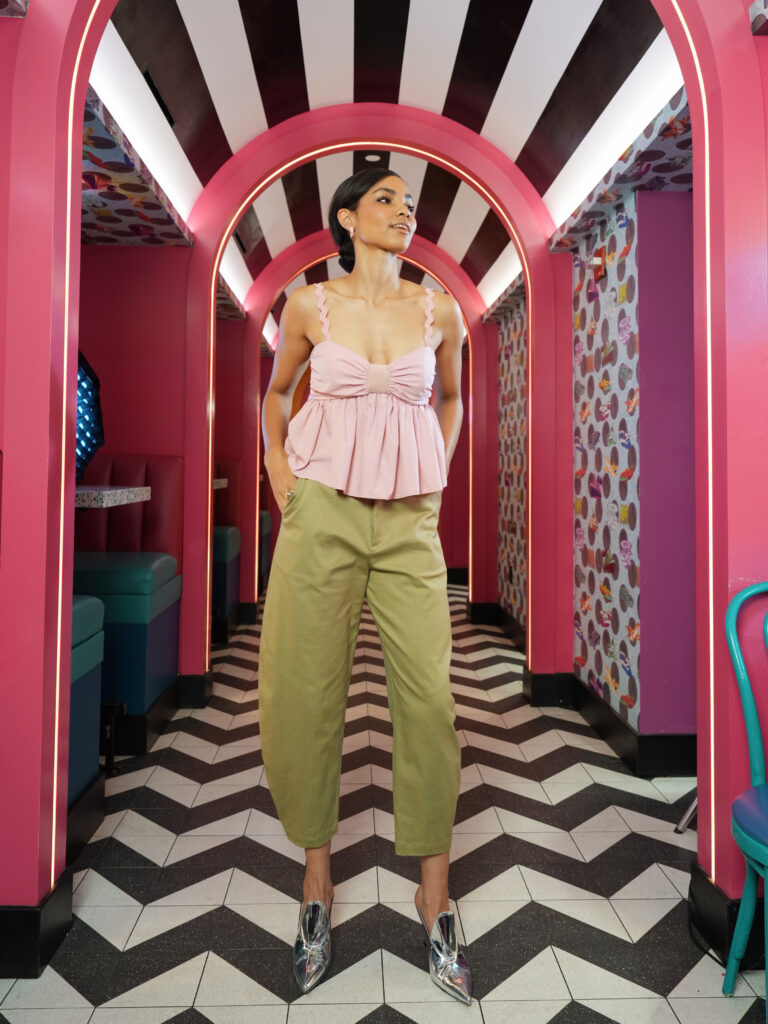
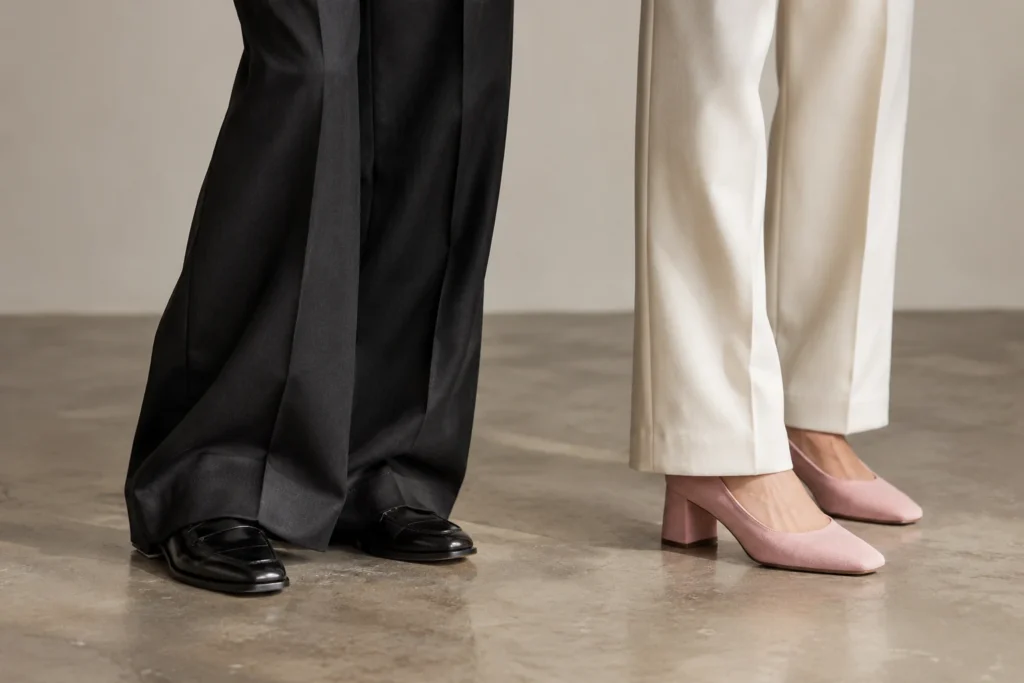
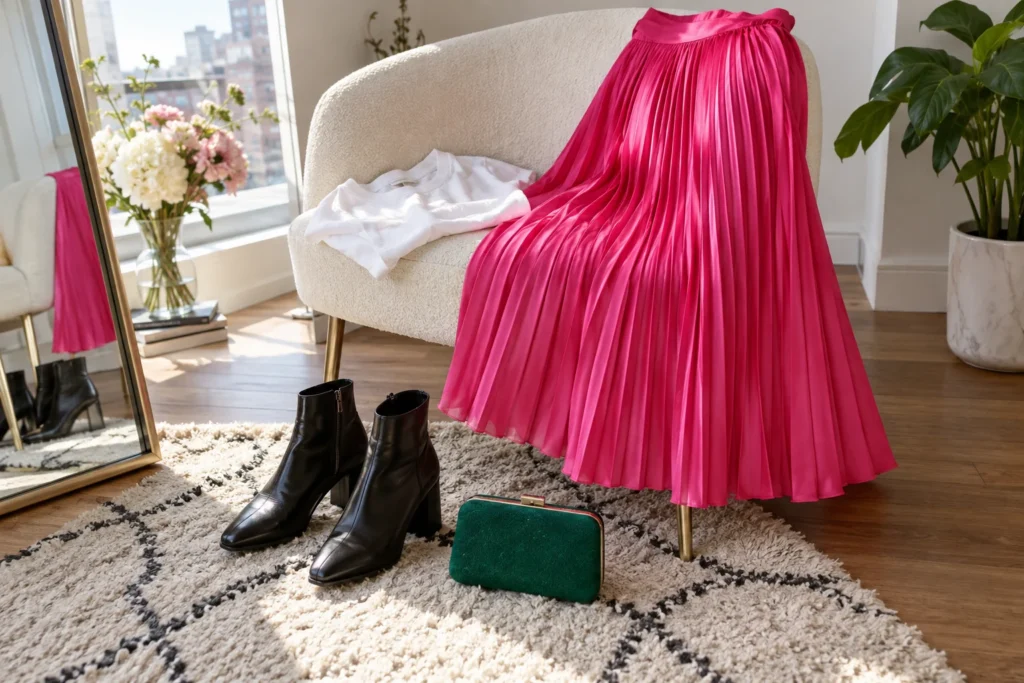
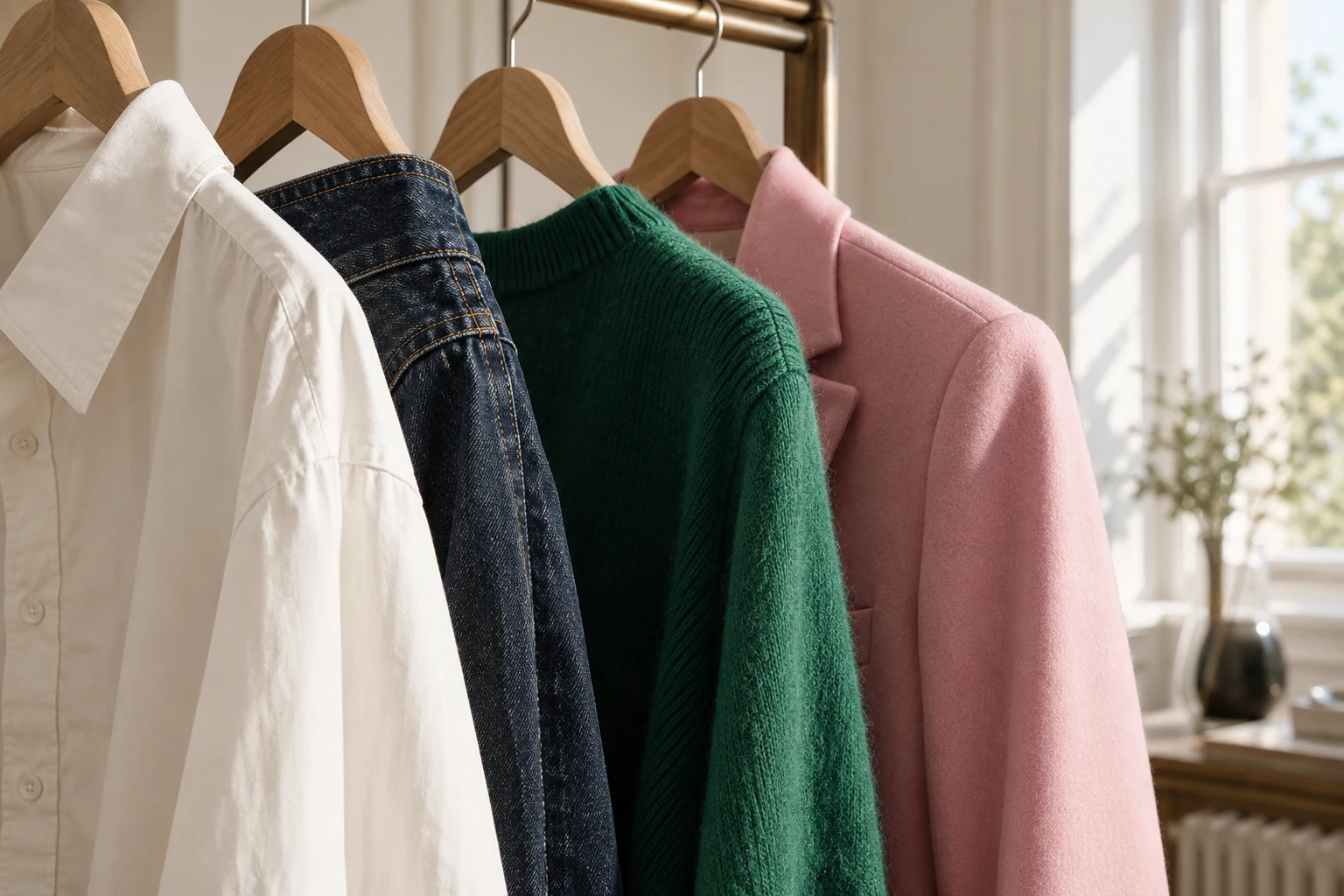
An exaggerated runway shoulder might inspire a more structured jacket you already own. A pink-and-green combination could become a pink knit and emerald bag. A long, fluid line could prompt you to pair wide trousers with a simpler top.
You do not need to reproduce the whole outfit. Choose the detail that interests you and make it suitable for your day, comfort, and wardrobe. A successful translation may look quite different from the original.
Consider the styling around the clothes
Notice shoes, jewelry, bags, hair, and makeup. Ask which part is doing the most work. Would the outfit feel different with a quieter shoe or without a large accessory? This helps explain why a runway look may change when separated into individual pieces.
Also remember that lighting, music, casting, and movement shape the experience of a show. Enjoy that presentation while keeping it distinct from how a garment might feel in everyday use.
Keep a compact viewing note
Use four lines: collection and season; three mood words; one repeated idea; one experiment to try at home. Link to the original show where possible. When sharing images, respect the source’s usage terms and credit the relevant creators.
The most useful outcome is a sharper eye. A fashion show can give you a new question to ask of your own clothes, even when the answer is as simple as trying a different jacket length tomorrow.
Keep reading
- Everyday Style: Make Volume and Proportion Work Together
- From Gallery Wall to Wardrobe: Borrow a Color Relationship
Have a style question? Ask Kim, or join the conversation on Instagram.